
5 Factors Often Overlooked When Considering Moving to a New Area
January 17, 2018
This is a sponsored conversation written by me on behalf of PUR. The opinions and text are all mine.

Moving to a new city can be exciting, but it can also be stressful, nerve-wracking, and a bit of a headache. There are so many things to consider when choosing a new area to live and while dreaming about nicer weather or decorating your new home might be fun, there are many other things to consider when choosing your next home city. Check out the list below to see if you’ve thought about these commonly overlooked aspects of moving to a new city!
1 | A city’s culture
Often when moving to a new city we get excited because of the weather, the house, the amenities, or the picturesque location. We often forget that even if we’re moving to the next city over, each city has its own culture and vibe. If you’re a young family, do some research to make sure the neighborhood you’re moving to isn’t an unofficial retirement community. You won’t typically find information like this on real estate websites but online forums can be very eye-opening and honest when trying to find out what a city is really like!
2 | Schools
Even if your children are still very young at this point (maybe even nonexistent), if you plan on living in this city for a while, the quality of schools it has to offer ought to be on your radar. Even if having your children attend school is in your distant future, you’ll want to talk with your spouse about the type of education you’d like your children to have and then do the same type of research mentioned above. Better yet, if you already know a family in the area, ask their advice or what they’ve heard about the local schools!
3 | Taxes
It’s not the most fun thing you’ll have to think about when considering your move, but it can make a difference. Some states off no individual income tax while others offer no retail sales tax. According to Taxfoundation.org, Wyoming, South Dakota, Alaska, Florida, Nevada, Montana, New Hampshire, Utah, Indiana, Oregon have the best-rated tax systems while Vermont, California, New York, and New Jersey (my home state) have the worst rated tax systems. Do your research, it could cost you or save you a sizeable amount each year!
4 | Proximity to an airport
Chances are, if you’re moving to a new town, you’re leaving some of your old life behind. If that’s the case, you may want to go back to visit at one point or another (or have family or friends come to visit you) and you’ll want that to be as easy as it can be. Finding flights out of smaller airports can be tough, not to mention the fact that they can cost a lot more! Although you may have no choice in the matter, finding a new city that’s within a reasonable distance to a major(ish) airport can save a lot of hassle later on (depending on how often you think you’ll be traveling or hosting out of town guests).
5 | Water quality
Did you know that the national EPA maximum contaminant level goal (MCLG) for lead is zero? But the current allowed maximum contaminant level (MCL) is 15 ppb because when the EPA standard was developed in 1991, 15 ppb was the lowest reading that could consistently be achieved through anti-corrosion technology.
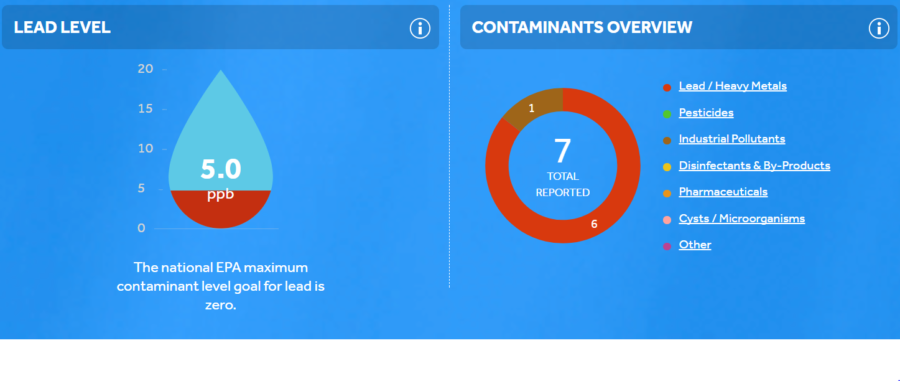
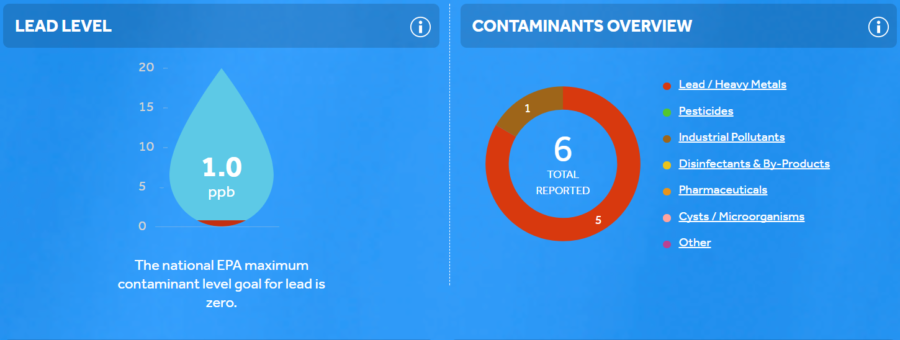
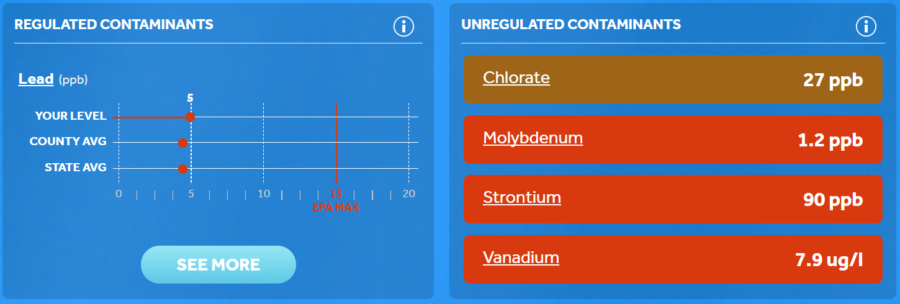
Using the KnowYourWater.com tool created by PUR®, I found out that our water here actually has a little bit more lead in it than our water at our old home. (KnowYourWater.com is the first and only free online resource that gives hundreds of millions of Americans access to the largest collection of US water quality data ever assembled! It pulls information from more than 98% of all public water systems, including those leading to homes, schools, businesses, hospitals, and more, allowing users to easily learn what’s in their water by simply typing in their address and zip code). Of course, both homes are well under the maximum of 15 ppb but it still makes you think twice before drinking from the tap!
Our home in Washington:
Our home in Virginia:
I was actually surprised by our results!
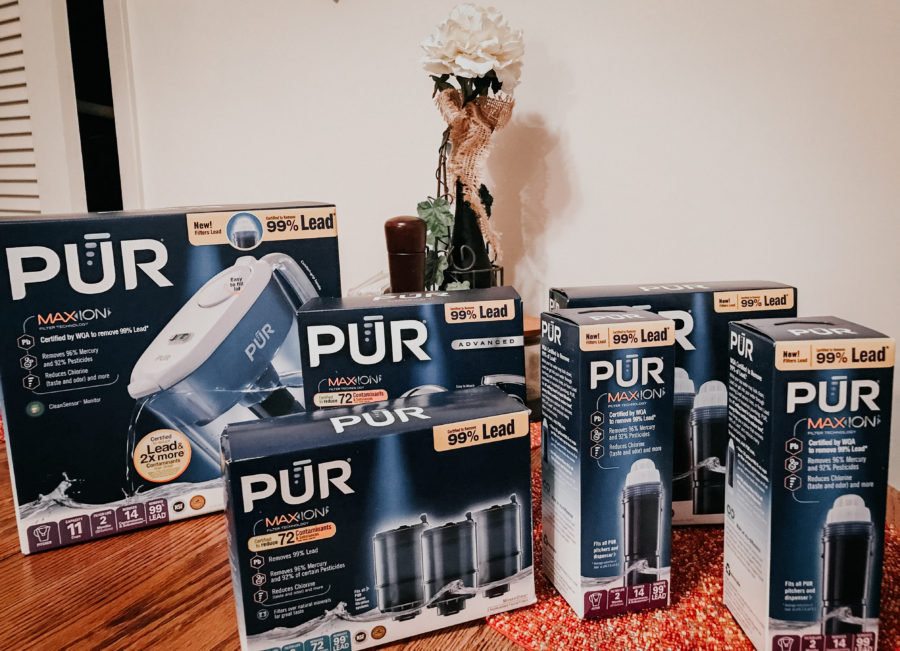
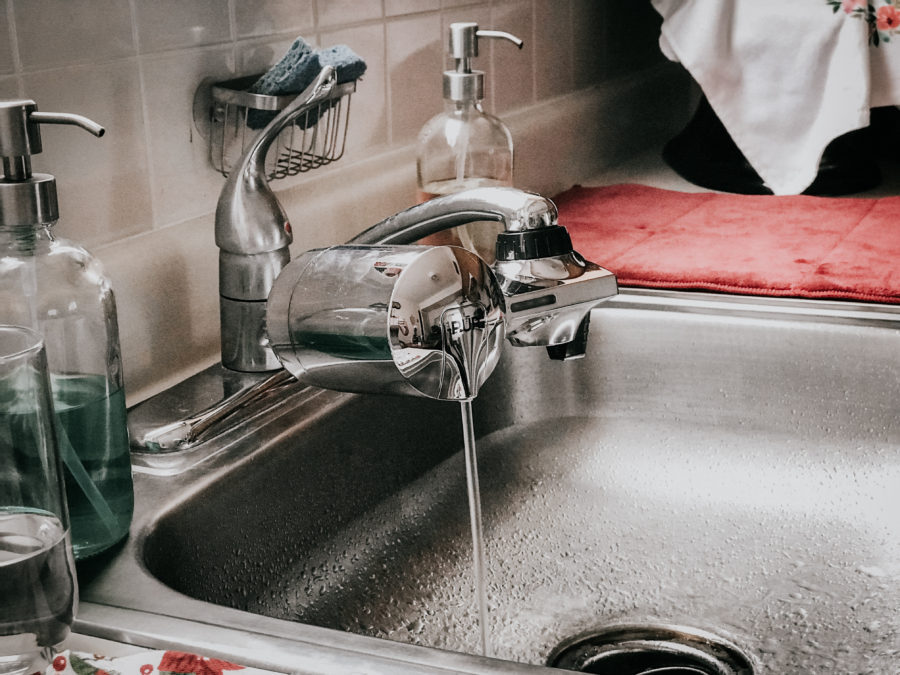
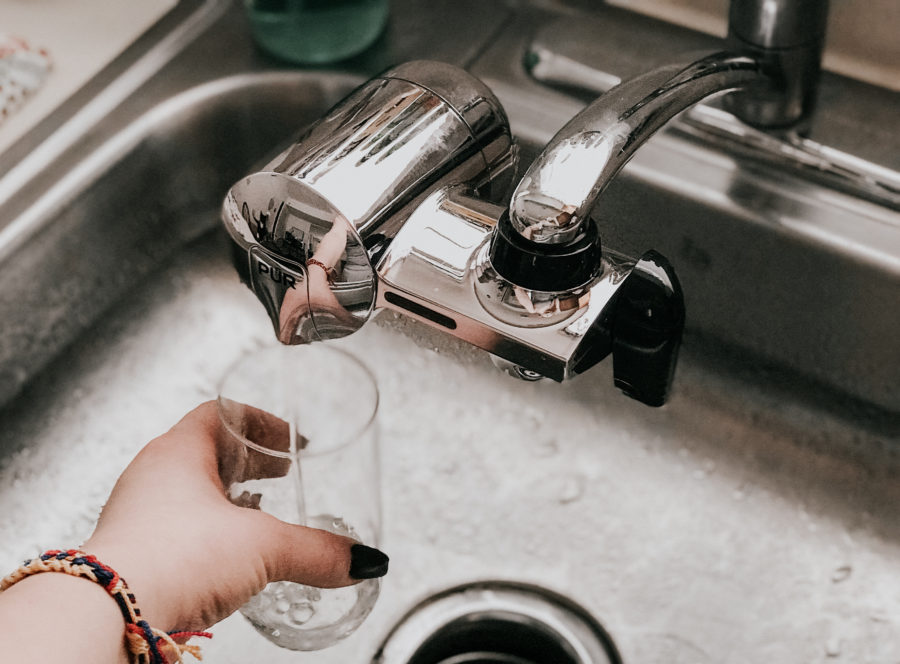
Wherever you choose to live, using a PUR Advanced Faucet Filtration System, can give you peace of mind whether you’re drinking, cooking, or simply washing with tap water. PUR is certified to reduce over 70 contaminants, including 99% of lead, 96% of mercury and 92% of certain pesticides. It’s also certified to reduce chlorine (taste and odor), microbial cysts, as well as industrial pollutants and is the only faucet filter certified to reduce certain pharmaceutical compounds. Beside this, PUR faucet filtration systems offer a refined horizontal space-saving design that withstands tough kitchen use and comes in a variety of finishes to accommodate any type of kitchen decor.
Want to win a year of PUR® water?
Enter the giveaway simply by commenting below with your favorite aspect of the Know Your Water tool or the PUR Advanced Faucet Filtration System for a chance to win 1 PUR Advanced Faucet Filtration System, 1 11-Cup Ultimate Pitcher Filtration System and replacement filters for each) and a 21 oz Hydro Flask water bottle with a sports cap, a $198 value! Giveaway will close Sunday, January 21, 2018, at 11:59 pm and the winner will be chosen within 24 hours.

This is a sponsored conversation written by me on behalf of PUR. The opinions and text are all mine.